You may have already decided that a small animal fits your lifestyle and personality, but are not quite sure which type of small animal is right for you.
You need to consider not how a pet can fit round your life, but whether you can alter your life around what your pet needs. Some things to consider are amount of care necessary, personality, lifespan, diet and space constraints. You also need to consider what other animals you may have – it is not fair to have a prey animal within the territory of a cat or dog for instance as you cannot expect the predator to ignore their instincts forever or for their prey to be unaffected by their presence and scent.
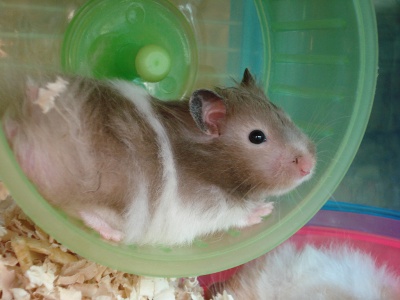
Hamsters, gerbils, and mice can be kept in wire or glass cages and take up a moderate amount of space. It is essential that gerbils have burrowing space so a large class tank and wire topper makes a good habitat for them. Although mice and hamsters can live in glass or plastic cages, the poor ventilation problems and difficulty in offering essential enrichment such as wheels or hammocks mean that wire cages are much better for them. For dwarf hamsters and mice, most wired cage can be adapted as long as the bar spacing is 1cm or under.
Please be aware that rotastack is not suitable for any creature to live in and pet shops often vastly underestimate the space your animal should have. For reasons why see this article on why modular systems are bad for your pet.
If you are considering getting your animal from a pet shop, please also have a read through Why not Pet Shops before deciding as you run the risk of supporting rodent farms. Rescues often take in rodents and have them as babies, since unexpected litters happen very frequently due to pet shops not being able to sex their animals correctly. You can also find plenty of reputable breeders through good forums and registered societys such as the National Fancy Rat Society (NFRS) or the American Gerbil Society (AGS) for example.
If your cage is full of colourful gimicky plastic chances are it is designed with you in mind and not your animal. If handled right most rodents can be very gentle. If you have young children, consider whether they will be able to learn to handle the animals gently and whether they will still be interested in them in a few weeks. Rodents are generally more active at night and sleep a significant portion of the day. These animals have a fairly short lifespan of a few years, with gerbils having the most at 3-5 years.
Rats require a larger living area than hamsters, gerbils and mice. Rats are very sociable and affectionate, both to people and other rats. They thrive best when they are kept in pairs or small groups. Rats should be handled gently, but due to their larger size, are less sensitive to rough handling. They generally live only a few years.
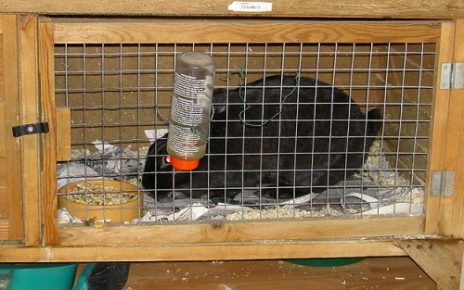
Rabbits are very energetic and require a much larger space to roam around in. They live about 7-12 years and should be kept in pairs. Rabbits are easily frightened by rough handling and loud noises and can bite in reaction. Young children will have to learn to treat them gently. Rabbits need to be allowed to roam free occasionally, but be advised that they are destructive chewers. They cannot be kept with Guinea Pigs.
Ferrets need a very large area to live in, ideally outside and are very intelligent. They need a lot of mental stimulation and should be kept with other ferrets. They have a very strong odour but can be very affectionate and even taken for walks.
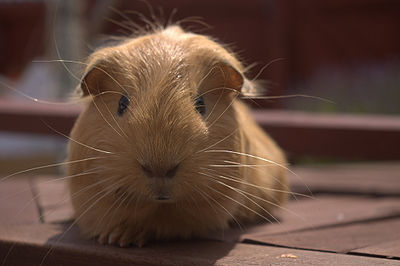
Guinea pigs are easily tamed and can be kept in hutches or indoor wire cages. They must be kept in pairs. Although they should be handled gently, they don’t react aggressively to roughness. Guinea pigs are extremely affectionate and easy to care for; therefore, they are considered by many to be the ideal pet for small children. They cannot be kept with Rabbits.
Guinea pigs and Rabbits cannot co-habit as the rabbit will bully and may even try to mate with, a guinea pig. This can cause serious injury and may even result in death.